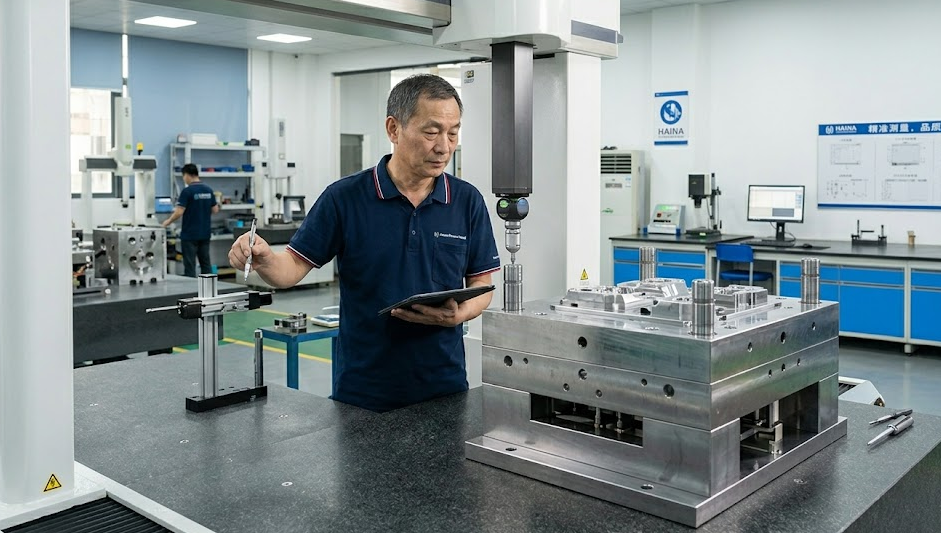
Design for Manufacturing (DFM): The Blueprint for Precision Plastic Injection Molding
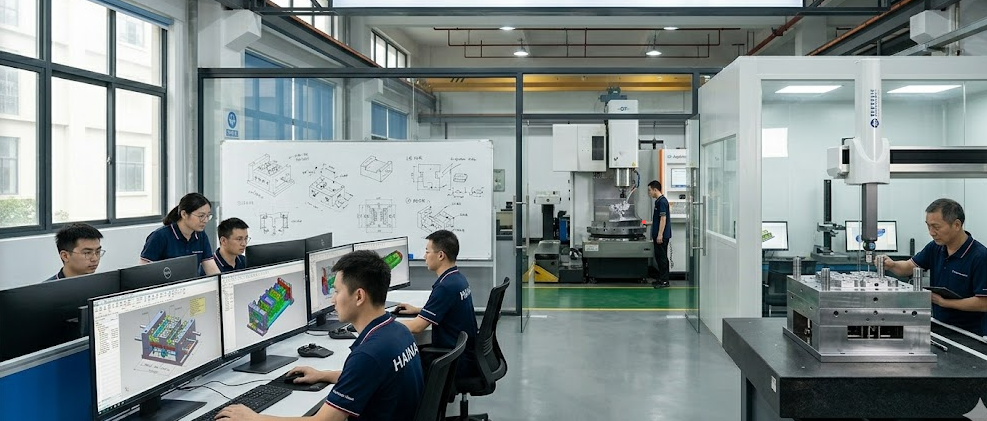
In the fast-paced world of industrial manufacturing, the bridge between a brilliant engineering concept and a successful, cost-effective product is Design for Manufacturing (DFM). At Shenzhen Haina Precision Mould, we believe that design choices made at the CAD stage are not just aesthetic; they dictate production speed, tooling longevity, and the long-term quality of your component.
With nearly two decades of experience helping international clients bring complex parts to market, we have refined the key principles that ensure your project succeeds from the first prototype to mass production.
The 5 Pillars of Injection Molding Success
To achieve high-quality results while minimizing production costs, your design must respect the physics of molten plastic.
1. Uniform Wall Thickness
The "Golden Rule" of injection molding. Thick sections cool slower than thin ones, leading to internal stress, warping, and "sink marks" (depressions on the surface).
The Pro Tip: Keep wall thickness consistent. If transitions are necessary, use gradual changes to ensure even cooling and shrinkage.
2. The Power of Draft Angles
Draft angles are the slight tapers applied to the vertical walls of your part. Without adequate draft, the part creates friction against the mold walls during ejection, leading to drag marks or even parts getting stuck, which causes costly downtime.
The Pro Tip: Aim for 0.5° to 2° of draft on all vertical surfaces. The deeper the feature, the more draft you need.
3. Radii and Fillets
Sharp internal corners act as stress concentrators where parts are prone to cracking under mechanical load. They are also difficult to machine into steel molds and can impede the flow of resin.
The Pro Tip: Always incorporate radii on internal and external corners. This improves structural integrity and facilitates smooth plastic flow, reducing air traps and burning.
4. Ribs and Bosses
To add strength without increasing wall thickness (and risking sink marks), use ribs.
The Pro Tip: Ribs should generally be 50% to 60% of the main wall thickness. Use gussets to support tall, thin features like boss standoffs to provide rigidity without adding excessive mass.
5. Strategic Gate Placement
The gate is the entry point for molten plastic. An improperly placed gate can leave visible blemishes on high-aesthetic surfaces or cause uneven filling.
The Pro Tip: Involve your mold maker early. Discussing gate locations during the design review phase is the best way to ensure surface finish requirements are met without compromising structural integrity.
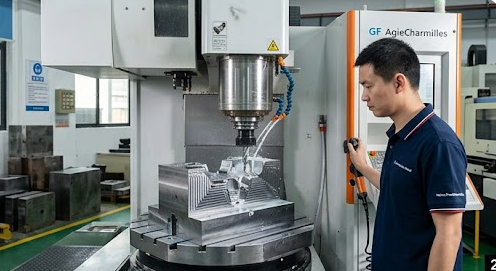
Why Partner with Shenzhen Haina & Alu Rapid?
Design for manufacturing is about balancing design intent with the realities of material science. Whether you are working with standard polymers or high-performance engineering plastics like PEEK and glass-filled PA66, we provide an end-to-end manufacturing advantage:
Seamless Transition: We bridge the gap between rapid prototyping (via Alu Rapid) and high-precision injection mold manufacturing (via Haina Precision).
Engineering Partnership: We conduct a comprehensive DFM audit on every design file, identifying potential molding issues before the first piece of steel is cut.
Global Compliance: We have deep expertise in exporting to European and North American markets, ensuring your parts meet all necessary regulatory and quality standards.
Ready to Optimize Your Next Project?
Don't let a minor geometry issue turn into a production headache. Our team of engineers is ready to analyze your STEP or IGES files to help you reduce cycle times, minimize waste, and guarantee a perfect finish.
[Contact Our Engineering Team Today for a Free DFM Audit]Visit us at: aluprototype.com