
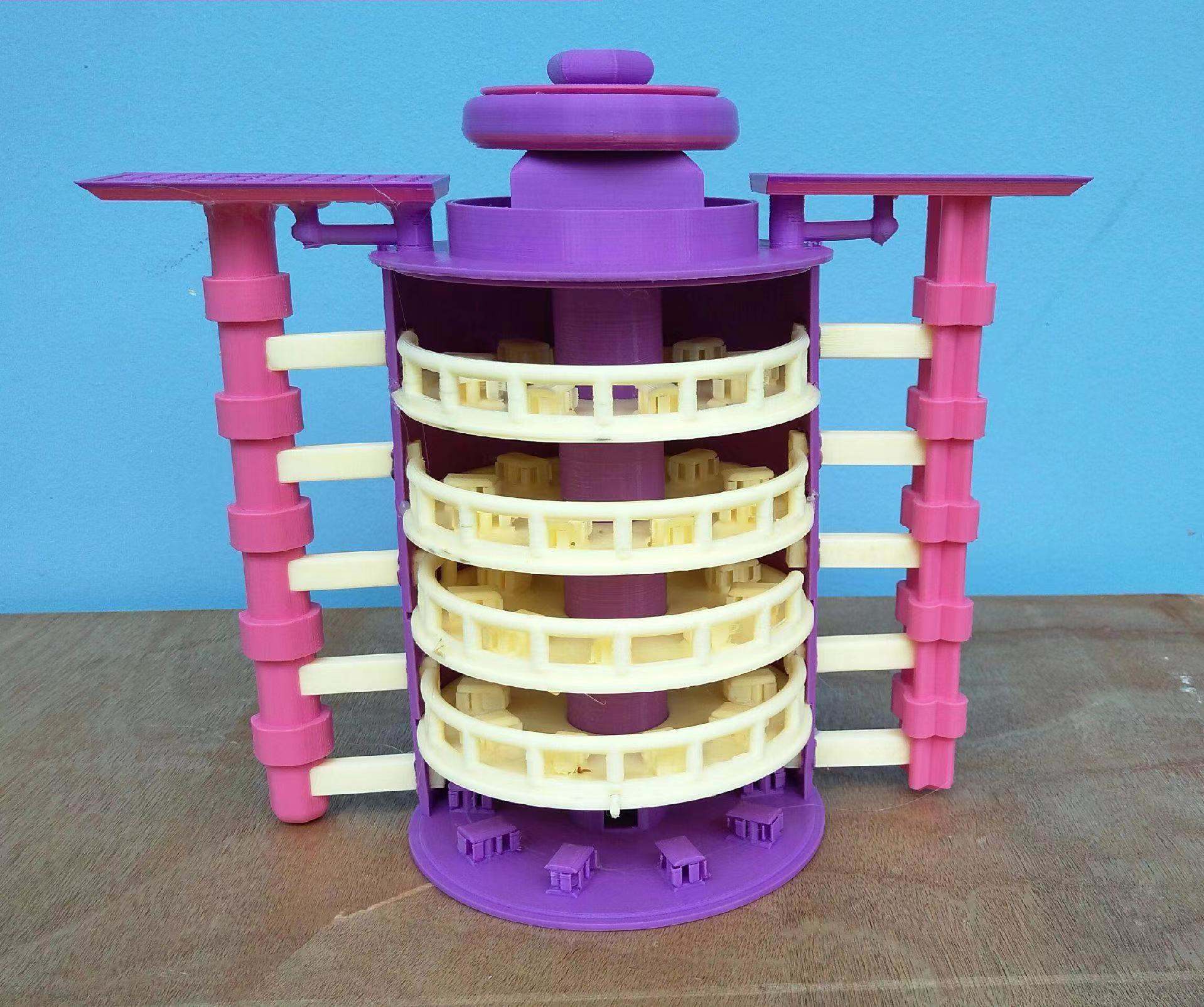
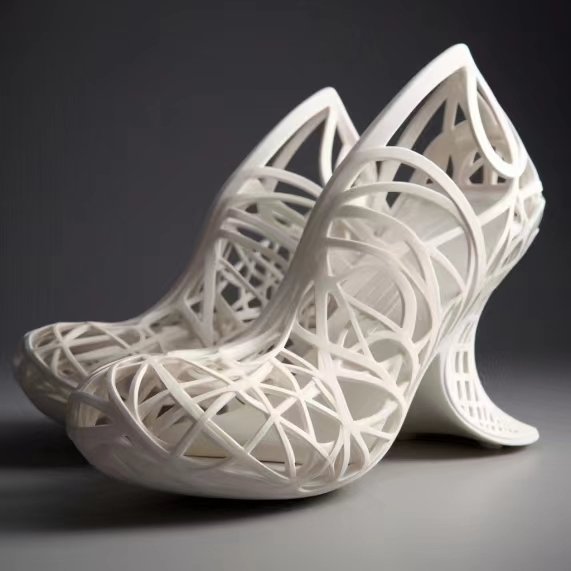
3D printing service finds applications in various industries, including aerospace, automotive, medical devices, consumer goods, and more.

It is an essential tool for rapid prototyping, small-scale production, and customized parts.

  • Home
  • Capabilities
  • 3D Printing

微信图片_20240703142231-1.jpg

What is 3D Printing?

3D printing (also called additive manufacturing) is a process that creates three-dimensional objects by building them layer by layer from a digital file, rather than subtracting material (like machining) or forming it in a mold (like injection molding).

How It Works – Basic Steps

1.Digital Model: You start with a 3D model, usually created in CAD software (Fusion 360, Blender, SolidWorks, etc.) or downloaded from sites like Thingiverse, Printables, or MyMiniFactory. The file format is typically .STL, .OBJ, or .3MF.

2.Slicing: Special software (“slicer” – e.g., PrusaSlicer, Cura, Bambu Studio) converts the 3D model into thousands of thin horizontal layers and generates instructions (G-code) telling the printer exactly where to move and when to deposit material.

3.Printing: The printer deposits or solidifies material layer by layer until the object is complete. Each layer is typically 0.05–0.3 mm thick (finer = smoother but slower).

4.Post-processing: Remove supports, sand, paint, vapor-smooth (for ABS), or cure (for resin prints).

Main Types of 3D Printing Technologies

123.png

124.png

Common Everyday Materials (FDM)

1.PLA → Easiest, biodegradable, low warping (best for beginners)

2.PETG → Tougher, slightly flexible, food-safe options

3.ABS/ASA → Strong, heat-resistant, needs enclosed printer

4.TPU → Flexible/rubbery (phone cases, gaskets)

5.Composite filaments → Woodfill, carbon fiber, glow-in-the-dark, metal-fill, etc.

Why 3D Printing is Revolutionary

1.Complex geometry for free (internal cavities, lattices, moving hinges printed in one piece)

2.Rapid prototyping (hours instead of weeks)

3.Customization & on-demand manufacturing (personalized medical implants, spare parts in space – NASA and ISS use it)

4.Low-volume production without expensive molds

5.Democratization – a $200 printer today can do what cost millions 20 years ago

In short: 3D printing turns digital designs into physical objects by adding material exactly where it’s needed, layer by layer, and it’s now used everywhere from hobbyist bedrooms to factories, operating rooms, and the International Space Station.

微信图片_20241012114311.jpg

3D printing service is a process of creating physical objects from digital designs using a 3D printer. It involves the layer-by-layer deposition of material, such as plastics, metals, or composites, to create a three-dimensional object.

3D printing service offers several benefits, such as rapid prototyping, low-cost production, and design flexibility. It allows for the creation of complex geometries, intricate details, and customized parts that are difficult or impossible to produce using traditional manufacturing methods.

The process begins with the creation of a digital design using computer-aided design (CAD) software or 3D scanning. The design is then uploaded to the 3D printer, which reads the digital file and begins the printing process. The printer deposits the material layer by layer according to the design specifications until the object is complete.

Overall, 3D printing service plays a crucial role in the manufacturing industry by providing a cost-effective and efficient method for creating complex and customized parts. It enables designers and engineers to iterate and refine their designs quickly and efficiently, leading to faster product development and time-to-market.