Aluprototype offers fast and reliable rapid prototyping services from our facility in Shenzhen, China. Since 2010, we have helped engineers and product designers across the USA, Europe, and Australia turn their ideas into physical parts quickly and cost-effectively.
Whether you need a single prototype or a small batch of parts, we deliver high-quality results with lead times as fast as 3 days.
Our Rapid Prototyping Capabilities
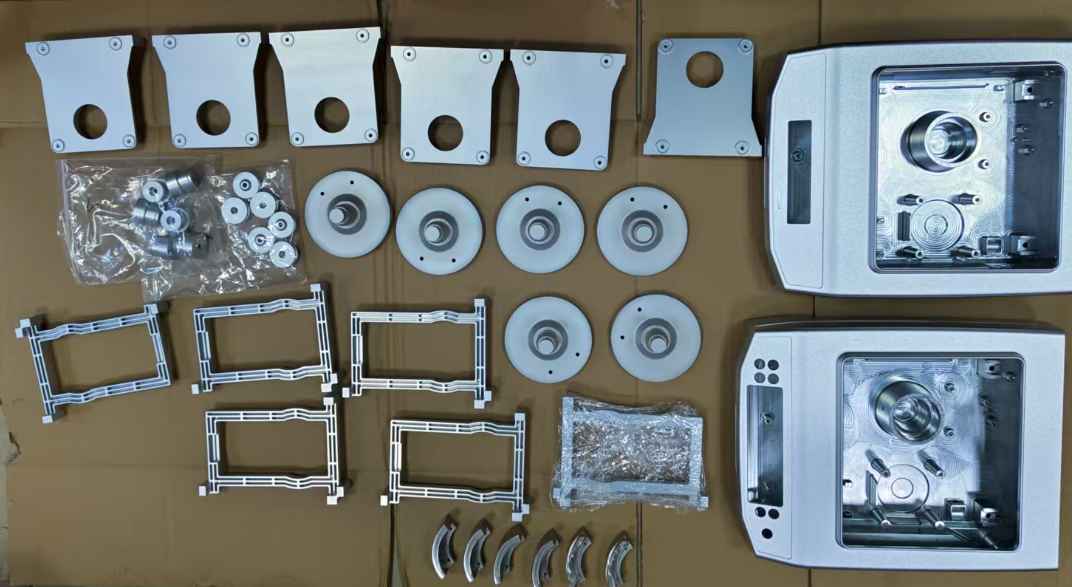
- CNC Machined Prototypes – Metal and plastic parts with tight tolerances
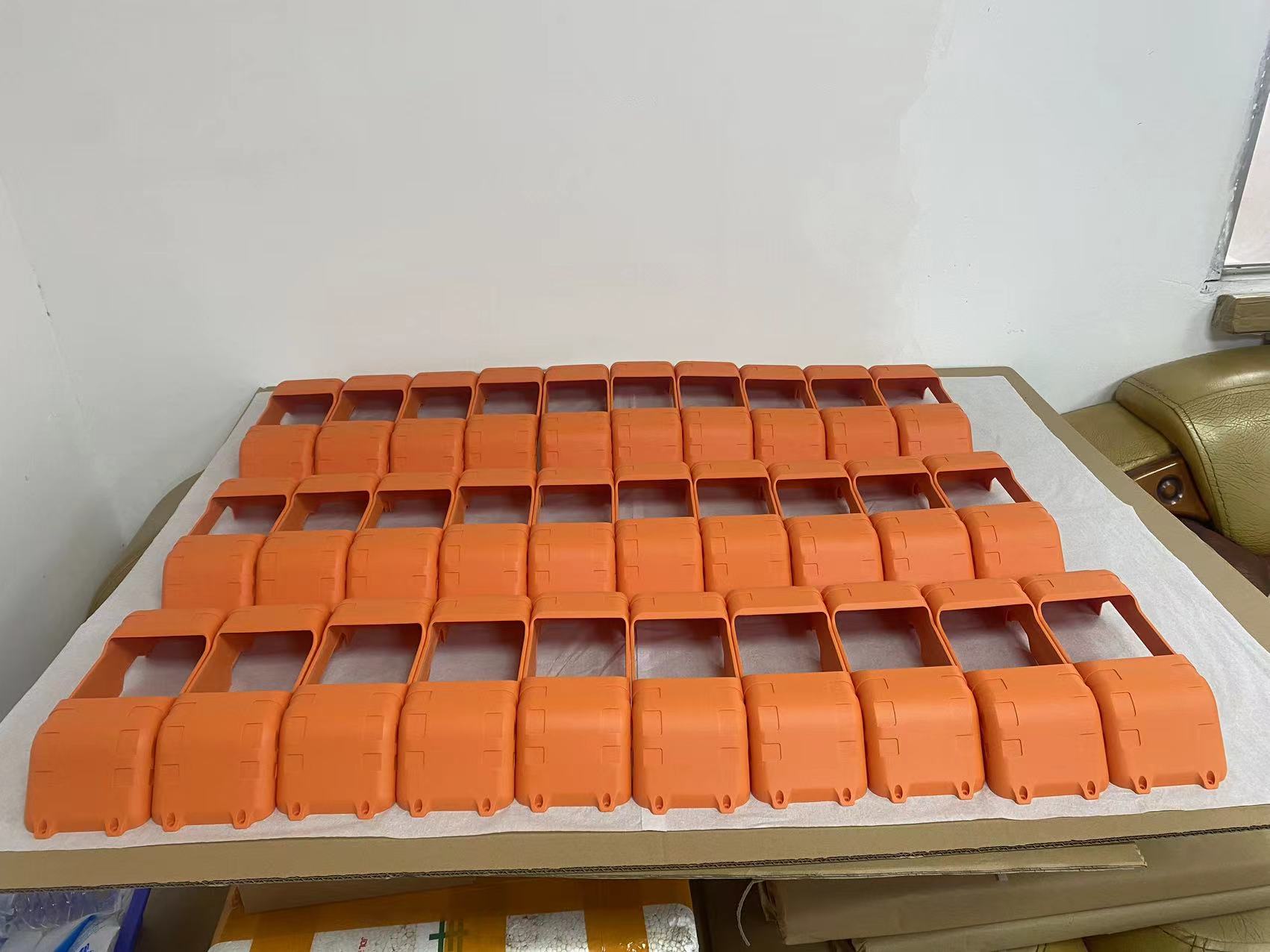
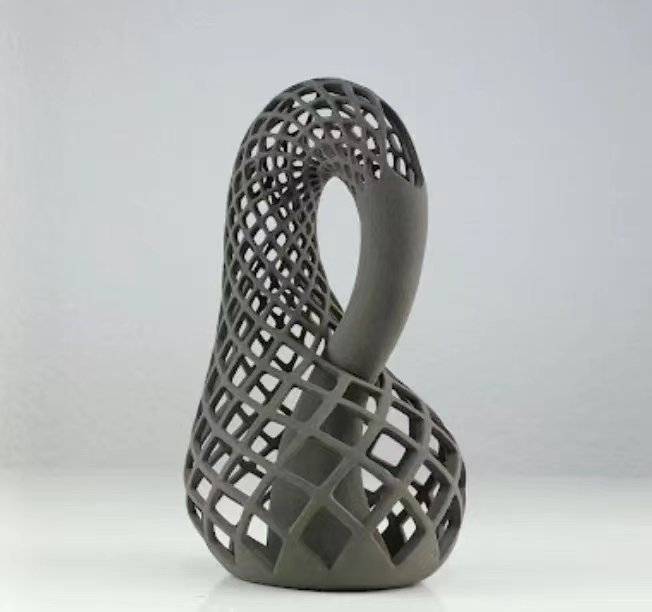
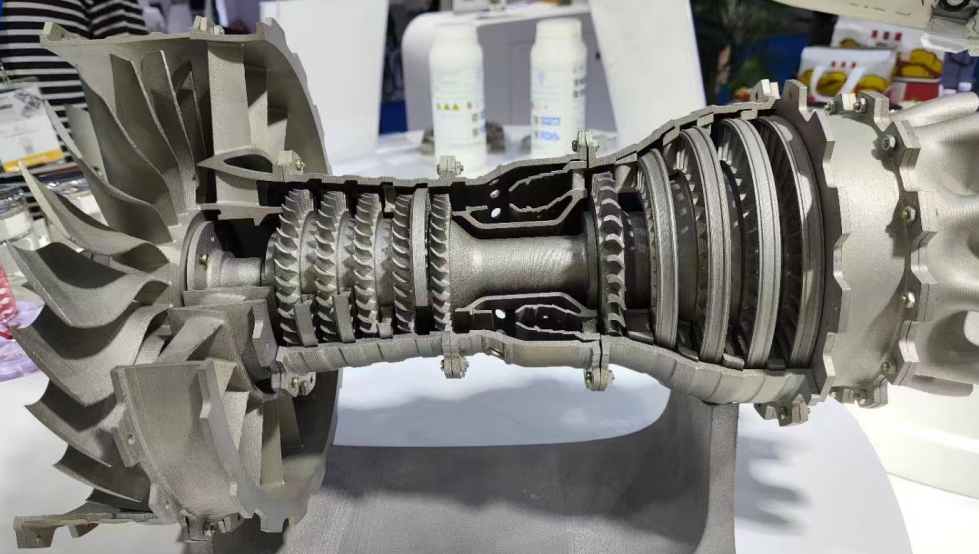
- 3D Printed Prototypes – FDM, SLA, SLS for concept models
- Vacuum Casting – Polyurethane parts for functional testing
- Sheet Metal Prototypes – Brackets, enclosures, and custom parts
- Die Casting Prototypes – Aluminum and zinc alloy parts
Materials Available
Metals: Aluminum, Steel, Stainless Steel, Titanium, Brass, Copper
Plastics: ABS, PC, PEEK, Nylon, POM, PP, TPU
Why Choose Aluprototype for Rapid Prototyping?
- 15+ years experience since 2010
- ISO 9001:2015 & ISO 14001:2015 certified
- Prototypes ready in as little as 3 days
- One-stop service from prototyping to production
- Free DFM analysis on every order
- Competitive China pricing with Western-standard quality
- Worldwide shipping to USA, UK, Germany, Australia and more
How to Get Started
1. Upload your CAD file (STEP, IGES, STL, DXF)
2. Receive a free quote within 24 hours
3. Approve and we start production
4. Parts delivered to your door worldwide
Contact us today for a free quote on your next prototype project.