
Rends in Robotics Prototyping (2026)
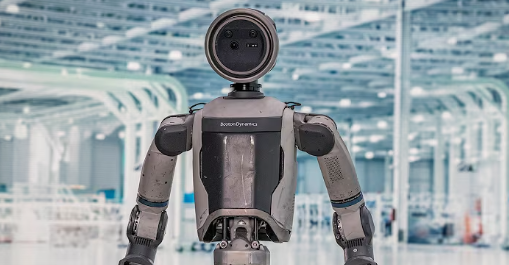
As of late 2025, robotics prototyping is evolving rapidly, driven by advancements in AI, hardware affordability, and simulation tools. The global market for robotics prototyping is projected to grow from USD 3.2 billion in 2024 to USD 8.5 billion by 2033, at a CAGR of 11.5%, with key growth in industrial automation (40% market share) and healthcare (fastest-growing at 25%). This expansion reflects a shift from rigid, task-specific designs to flexible, AI-integrated prototypes that enable faster iteration and real-world deployment. Prototyping—encompassing physical builds, digital simulations, and hybrid testing—is becoming more accessible, sustainable, and collaborative, fueled by investments from firms like NVIDIA and Alphabet.
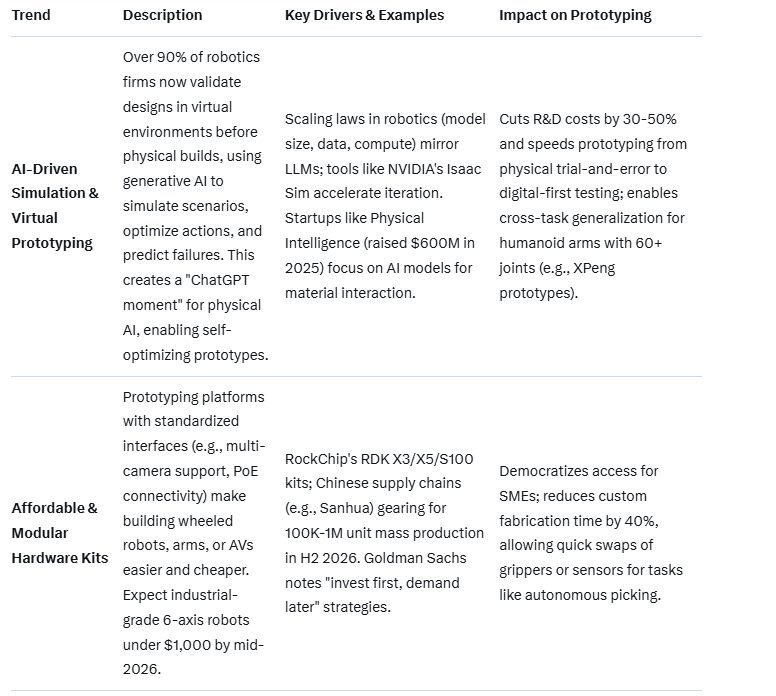
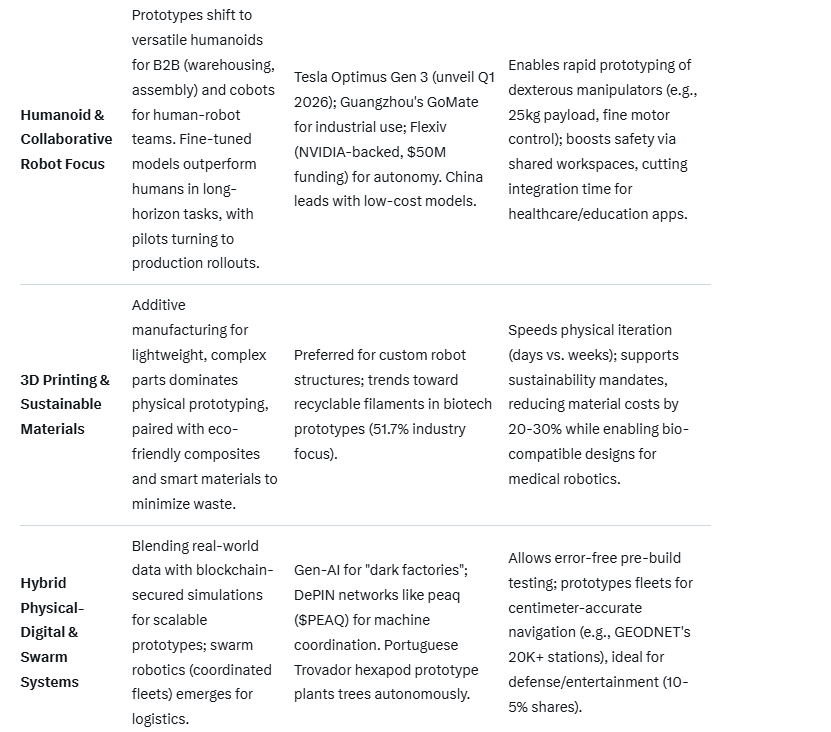
Below, I outline the top trends shaping robotics prototyping in 2026, based on industry reports, expert analyses, and recent discussions. These trends emphasize reducing development time (from months to weeks), lowering costs (via affordable hardware and virtual testing), and enhancing adaptability for applications like manufacturing, logistics, and biotech.
Key Trends in Robotics Prototyping for 2026
Emerging Opportunities & Challenges
1.Opportunities: 63% of enterprises plan increased gen-AI investments by 2026, prioritizing robotics for competitive edges in automation. Biotech and consumer electronics (55.7% focus) will see prototypes for personalized care robots or home assistants. Events like the Robotics-2026 Conference (May 2026, Madrid) will showcase user-friendly tools.
2.Challenges: High upfront costs for dark factories, overcapacity risks in supply chains, and ethical concerns (e.g., job displacement). Solutions include recursive self-improvement (robots building robots) and policy focus on trust/verification.
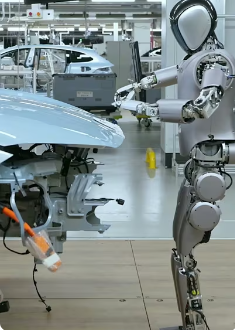
In summary, 2026 marks a pivot to "production-ready" prototypes, where AI and modularity turn concepts into deployable systems overnight. Early adopters in the US, China, Japan, and South Korea will lead, but global collaboration via open platforms could accelerate adoption across sectors. For deeper dives, monitor Tesla's Q1 unveil and Chinese mass-production milestones.