What is magnesium alloy casting?
Magnesium alloy casting is a manufacturing process where molten magnesium is poured or injected into a mold to create complex, lightweight metal parts. Because magnesium is the lightest of all structural metals—about 33% lighter than aluminum and 75% lighter than steel—this casting method is the gold standard for industries where weight reduction is critical, such as automotive, aerospace, and high-end electronics.
1. How the Process Works
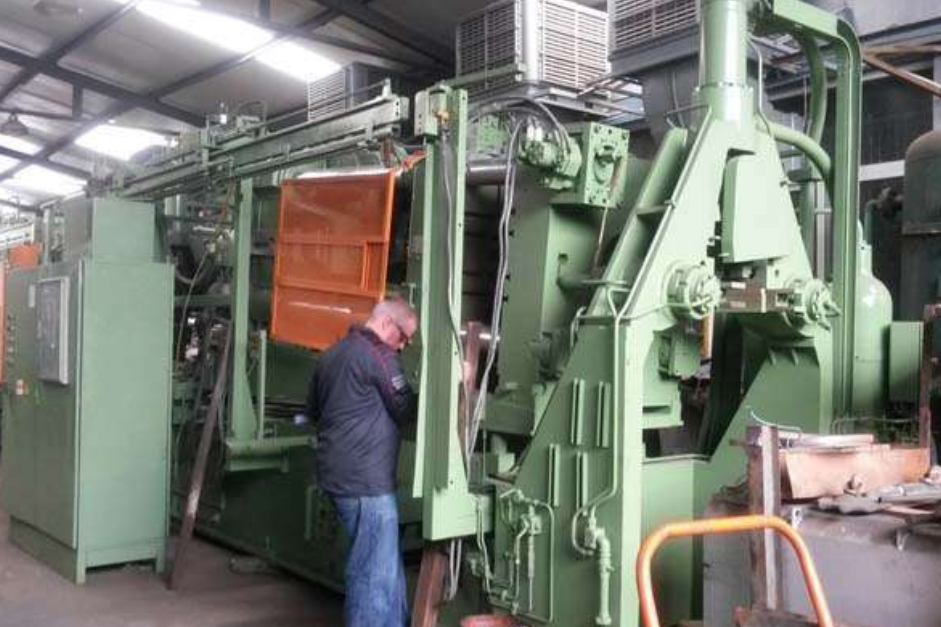
While magnesium can be cast using several methods, the most common is Die Casting, which uses high pressure to force the molten metal into a steel mold (die)
Melting: Magnesium alloys are melted at approximately 650C. Because moltenmagnesium is highly reactive and can catch fire when exposed to air, it is usually meltedunder a protective gas cover (like SF; or C'O2 mixtures) to prevent oxidation.
Injection (Hot vs. Cold Chamber):
Hot Chamber: The injection mechanism is submerged in the molten metal. This allows for very fast cycles and is ideal for small to medium-sized parts.
Cold Chamber: The metal is melted in a separate furnace and then "ladled" into the machine. This is used for larger parts to better control the temperature and prevent machine damage.
Solidification: Magnesium has a low heat capacity, meaning it cools and solidifies much faster than aluminum. This results in shorter cycle times and higher productivity.
Ejection: Once solid, the die opens, and the part is ejected. Because magnesium has excellent fluidity, it can fill very thin walls (down to 0.5mm - 1.0mm)
2. Common Magnesium Alloys
Magnesium is rarely cast in its pure form; it is alloyed with other elements to improve strength and corrosion resistance.
AZ91D: The most popular choice. It contains 9% Aluminum and 1% Zinc. It offers the best balance of castability, strength, and corrosion resistance.
AM60B / AM50A: Contains Manganese. These are used for "safety components" like steering wheels or seat frames because they are more ductile (they bend rather than snap under impact).
AS41 / AE42: Specialized for high-temperature environments, like engine or transmission components.
3. Advantages vs. Disadvantages

4. Key Applications
Automotive: Gearbox housings, steering columns, dashboard frames, and premium wheels.
Electronics: Laptop frames, camera bodies, and phone chassis (where stiffness and lightness are needed).
Aerospace: Engine parts and gearbox housings where every gram of weight savings translates to fuel efficiency.
Medical: Some magnesium alloys are being used for biodegradable implants (like bone screws) that dissolve naturally in the body over time.
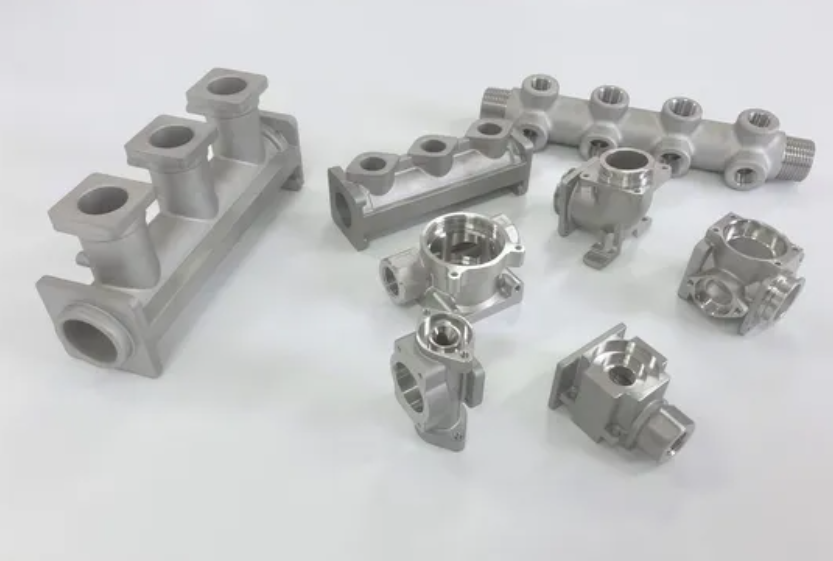
These parts are very common in modern cars, laptops, cameras, drones, and chainsaws: