What is cnc foam prototyping?
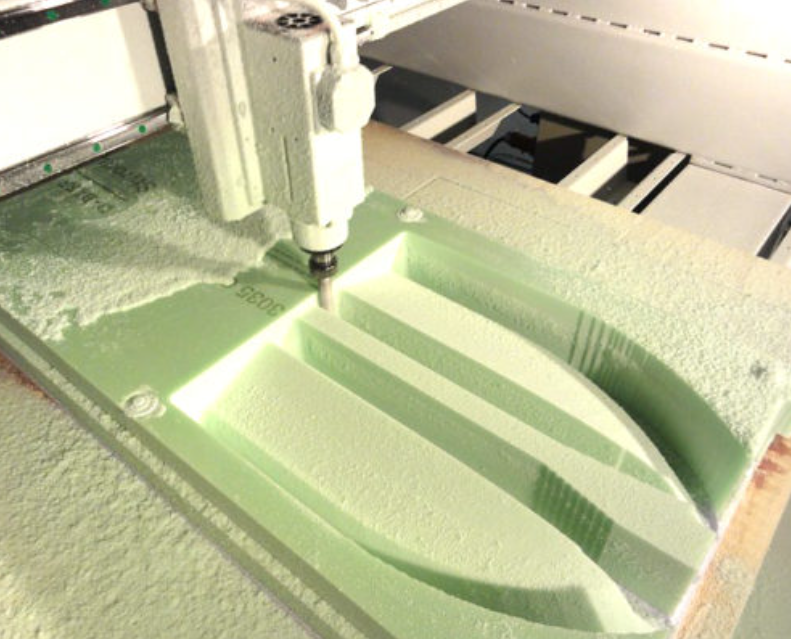
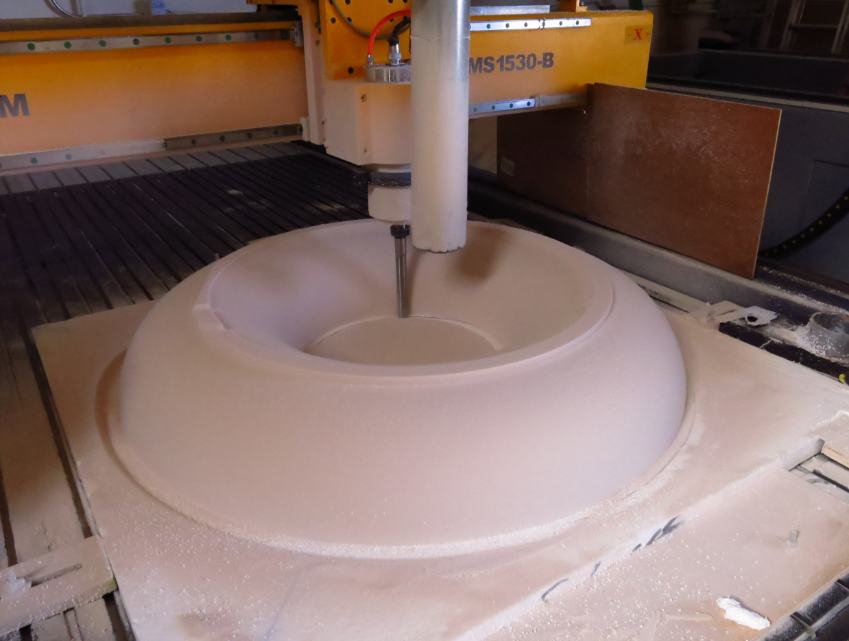
CNC foam prototyping is a rapid prototyping technique that uses Computer Numerical Control (CNC) machines to precisely cut, mill, or shape foam materials into 3D models or prototypes. Designers create a digital 3D model (typically in CAD software), which the CNC machine follows via programmed toolpaths to remove material from a foam block, producing accurate physical representations quickly and cost-effectively.
Common Methods
CNC milling/routing — Rotating bits carve the foam for complex geometries and fine details.
Hot wire cutting — A heated wire melts through the foam, ideal for smooth curves and large-scale shapes (often used for EPS or XPS foams).
Common Foam Materials
EPS (Expanded Polystyrene) → Lightweight and inexpensive, great for large mockups.
Polyurethane (PU) or high-density urethane (HDU) → For smoother finishes and higher detail.
EVA, EPE, or tooling boards → For specific applications like molds or durable prototypes.
Advantages
Low cost — Foam is cheap, and no custom molds are needed (unlike injection molding).
Speed — Ideal for quick iterations in product development.
Large-scale capability — Easily handles big prototypes (e.g., automotive or aerospace models) that are difficult with other methods.
Precision — Achieves tight tolerances for form, fit, and visual testing.
Applications
Product design validation (e.g., concept models for consumer goods).
Automotive/aerospace mockups.
Architectural models.
Props for film/theater.
Custom packaging inserts.
Molds for composites or casting.
Here are some examples of CNC-cut foam prototypes and machining in action: