
Making 3D Prints Waterproof (Watertight)
3D prints, especially from FDM/FFF printers, often have microscopic gaps between layers that allow water to seep in. Achieving true waterproofing depends on the printing technology, material, settings, and post-processing. Resin (SLA/DLP) prints are naturally more watertight due to chemical bonding between layers, while FDM prints (PLA, ABS, PETG) require extra steps.
1.Choose the Right Printing Technology and MaterialResin printing (SLA/MSLA):
Best for inherently watertight parts with fine details. Cured resin forms a solid, non-porous structure.
Resin printing (SLA/MSLA): Best for inherently watertight parts with fine details. Cured resin forms a solid, non-porous structure.
FDM materials:
A.PETG: Excellent balance—strong, heat-resistant, and naturally water-resistant. Often the top choice for functional waterproof parts like containers or outdoor items.
B.ABS/ASA: Good water resistance; can be smoothed for better sealing.
C.Polypropylene (PP): Highly hydrophobic and chemical-resistant, ideal for long-term water exposure.
D.PLA: Works for short-term or cold-water use but absorbs moisture over time and degrades—avoid for demanding applications without heavy sealing.
2. Optimize Slicer Settings for FDM Prints
Adjust these in your slicer (e.g., Cura, PrusaSlicer) to minimize gaps:
A.Wall thickness/perimeters: At least 4–6 (2–3 mm thick walls) for reliable sealing.
B.Infill: 100% for containers; lower (20–50%) may work with thick walls.
C.Layer height: Lower (0.1–0.15 mm) for denser layers and better adhesion.
D.Extrusion multiplier/flow rate: Increase to 105–110% (over-extrusion) to fill gaps.
E.Print temperature: +5–10°C higher for stronger layer bonding.
F.Bottom/top layers: 5+ solid layers.
E.Vase/spiralize mode: Great for simple containers (single continuous wall), but combine with over-extrusion.
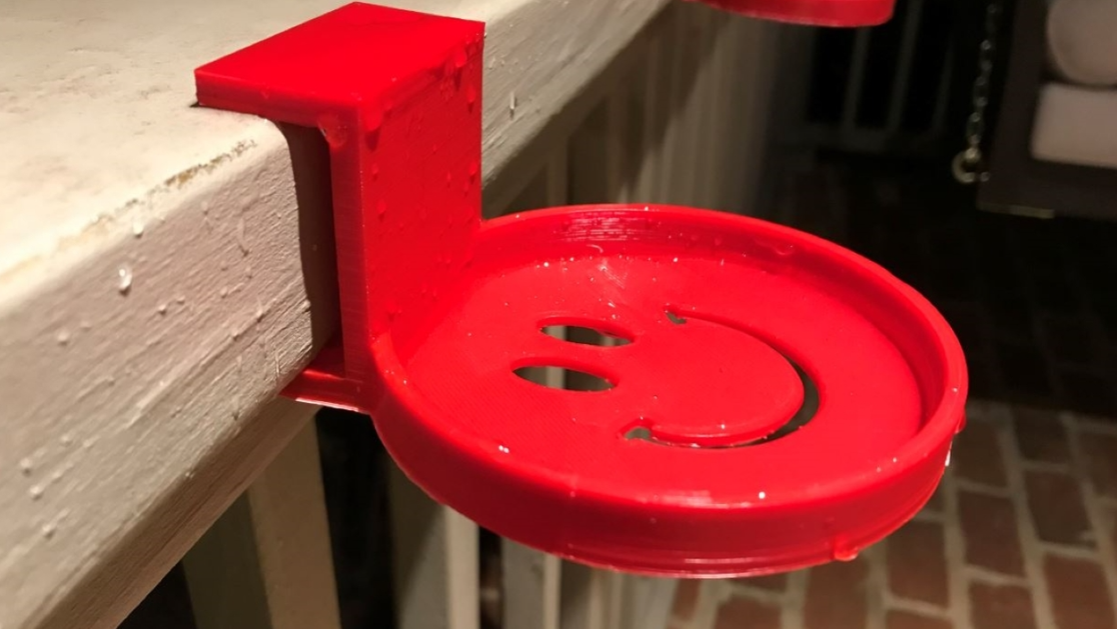
3. Post-Processing Techniques
These seal surfaces and close layer lines—often the most effective step for FDM.
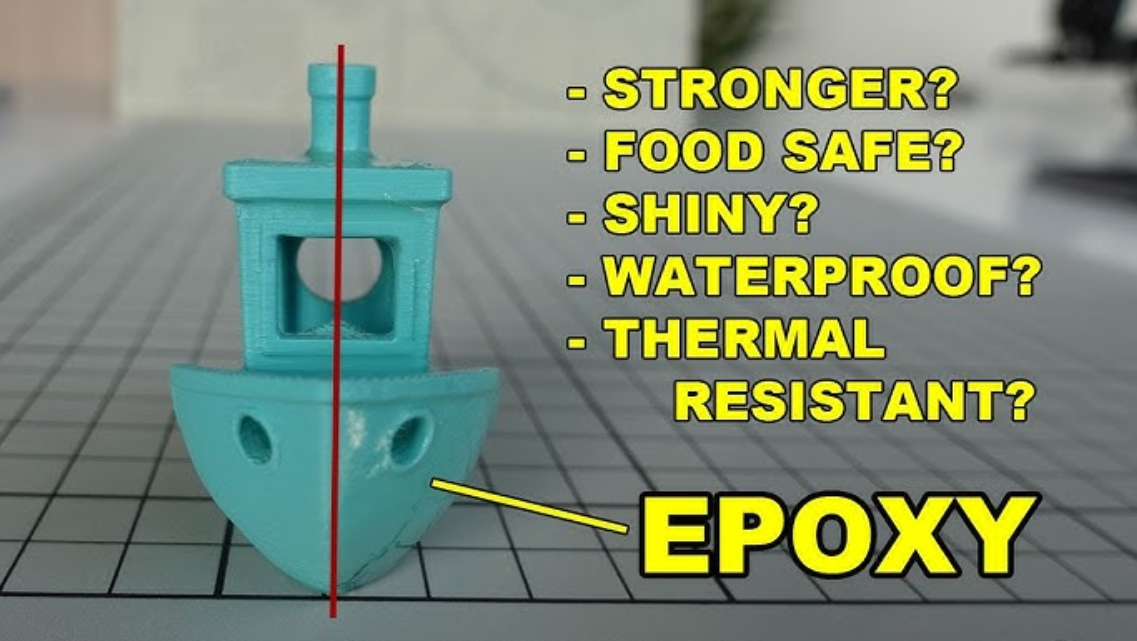
Epoxy resin coating (easiest and most reliable):
Apply 2–3 thin layers of clear epoxy (food-safe versions available for cups/mugs). Brush or dip; rotate to avoid drips. It creates a strong, glossy barrier.
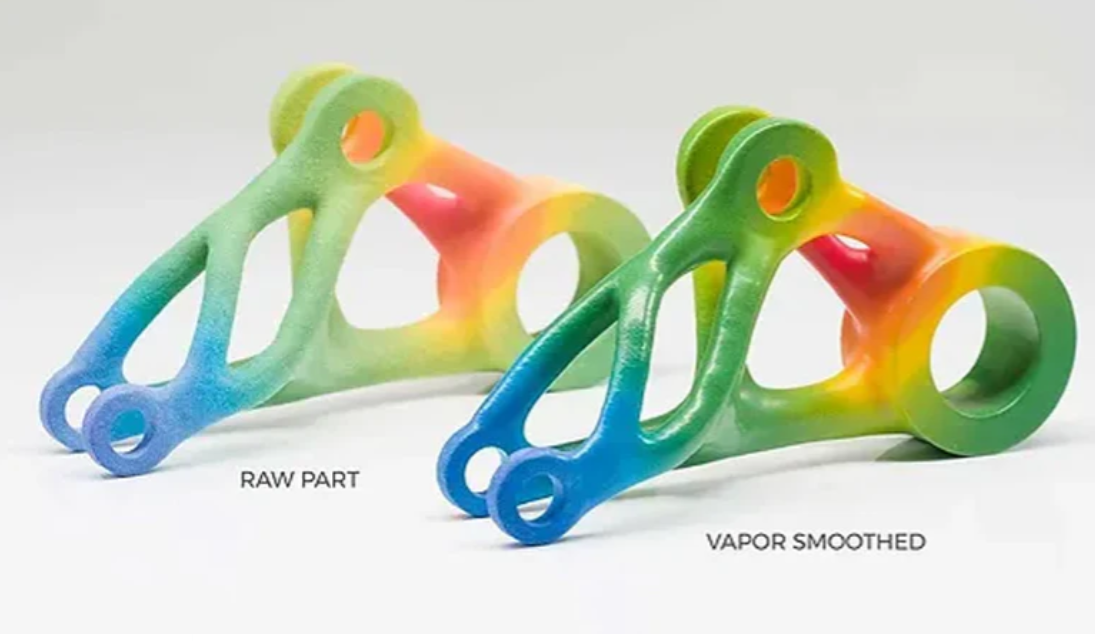
Vapor smoothing (for ABS/ASA):
Expose to acetone vapors in a sealed container—it melts the surface slightly, closing gaps for a smooth, watertight finish. (Do not use on PLA/PETG.)
Other options:
Clear acrylic spray or polyurethane varnish (multiple coats).
Silicone conformal coating for electronics/outdoor use.
4. Design Tips
Avoid flat bottoms if possible (use rounded or add drainage for testing).
For assemblies (e.g., lids), add O-rings or gaskets (print in TPU for flexible seals).
Thicker walls overall reduce leak risks.
5. Testing Your Print
Fill with water and check for leaks over hours/days.
Submerge and look for bubbles (indicates air escaping = potential leak path).
For pressure: Test in a pressurized setup if needed (e.g., underwater applications).
Combining good settings with epoxy coating often yields the best results for most users. Start simple and iterate—many achieve fully watertight prints for vases, planters, or even boat parts!